Enterprise
Logistics and supply chain
API, application and data-platform development for transport and logistics. Integration of tracking events, orders, inventory and partner exchanges, with analytical and machine-learning services.
Shipments, events and transport documents
A shipment connects orders, parcels or pallets, locations and carriers. Each event describes an operation and its time, which can differ from the time the message is received. Interfaces preserve these references for tracking, partner exchanges and lead-time analysis.
Examples of data processed in this sector
Shipments and logistics units
Orders, tracking numbers, parcels, pallets and addresses identify transported objects and their destinations.
Tracking events
Acceptance, facility visits, delivery and return are associated with an object, a location and a timestamp.
Exchanges and formalities
Labels, delivery evidence and declaration references support transport and customs exchanges.
Documented practices and systems in Switzerland
Public sources describing organisational practices and software interfaces. PERINGER project references appear separately below.
Engineering services
Transport APIs and events
Connectors for carrier events, tracking platforms and partner systems. Identifier, duplicate and timestamp checks, followed by status delivery through APIs or notifications.
APIs and systems integration →Flow models and historical records
Warehouse modelling of shipments, logistics units, sites and events. Lead-time calculations based on observed milestones, preserving late-arriving events and corrections.
Data platforms and warehouses →Web and mobile applications
Interfaces for viewing, scanning and collecting documents for authorised operations. Local storage, synchronisation and access permissions for shipments and documents.
Custom software and applications →Prediction and processing APIs
Integration of machine-learning models with tracking applications. Feature preparation, input validation and result APIs, with model-version management and evaluation steps.
Predictive analytics and anomaly detection →Document exchange and operations
Preparation of data and documents for the selected delivery or customs interfaces. Logging, monitoring and exchange recovery preserve the references needed to reconcile responses.
Observability and operations →
Data protection and system security
The data-protection framework depends on the organisation’s status and processing activities. For processing subject to the revised Swiss Federal Act on Data Protection (FADP), security measures and protective defaults are defined from the design stage according to risk.
Recipient details, signatures and location data can identify individuals. Exchanges are restricted to authorised partners and operations. Customs data follows the FOCBS formats and procedures for the relevant flow. Each integration checks the migration schedule of the procedure concerned. Official source
Technical measures to define for the processing involved
- Partner authentication and APIs restricted to authorised shipments
- Event identifiers, duplicate checks and preservation of original timestamps
- Exchange logs, message recovery and protection of delivery documents
Technical guidance · FDPIC · NCSC
Legal framework, providers and incidents
Purposes, retention and rights
The design specifies the data collected, its uses, recipients and retention periods. It provides for information to individuals and handling of access or rectification requests. Record-keeping and documentation duties are assessed against the processing involved and applicable exemptions.
Hosting and processors
An organisation remains responsible when it entrusts data to a provider. The assessment covers contracts, subprocessors, processing locations and access from abroad. Hosting outside Switzerland is possible subject to the applicable transfer safeguards.
Risk assessment and incidents
A data protection impact assessment (DPIA) is required when planned processing is likely to pose a high risk to individuals. The controller reports a data security breach to the FDPIC as soon as possible when it is likely to create a high risk to their personality or fundamental rights.
Related projects

Logistics and transport
Machine-learning fraud detection in the supply chain
Flag likely fraud in an international logistics group’s shipment data with a machine-learning model served through an API.
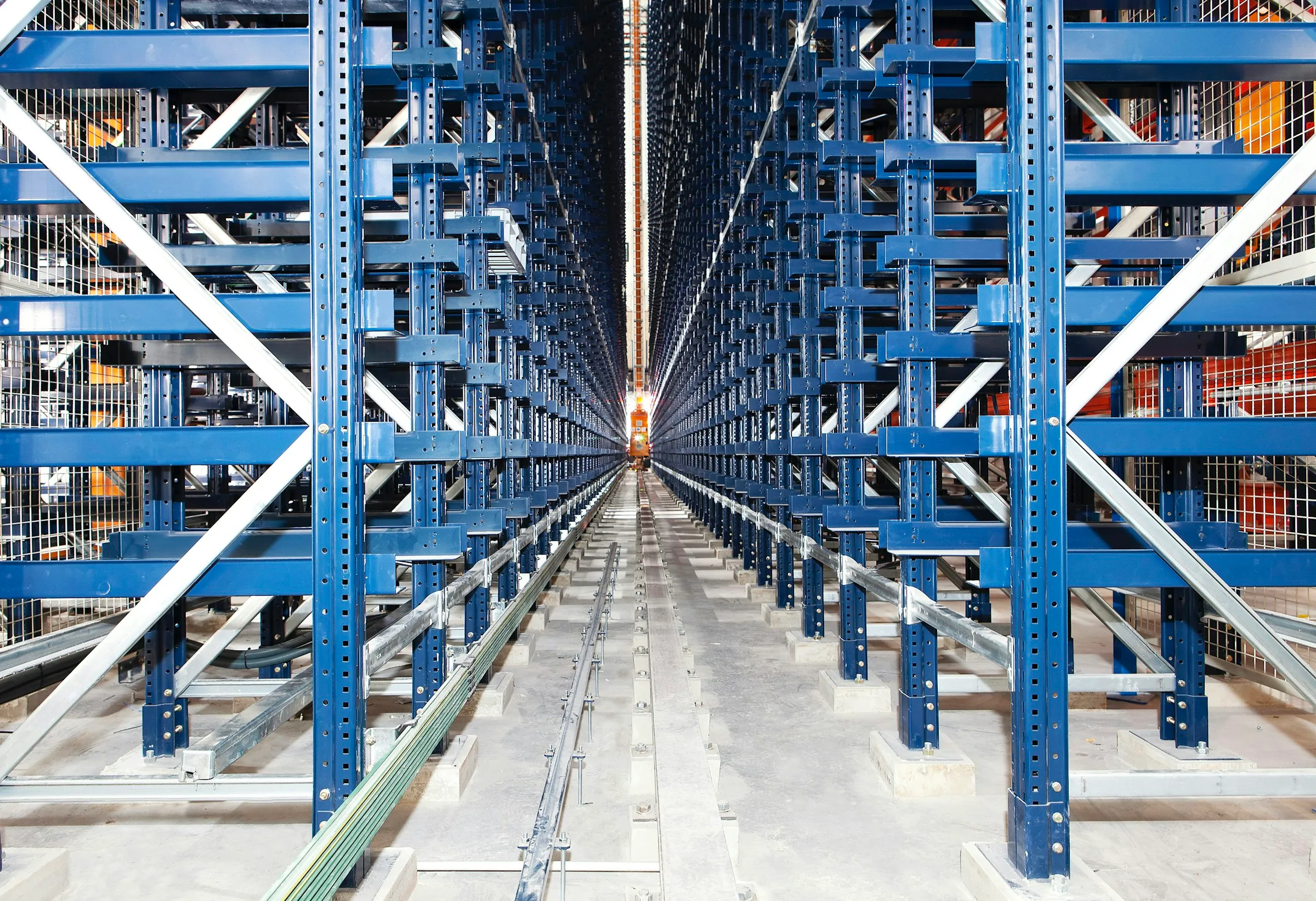
Logistics and transport
Technical operations for a logistics tracking system
Diagnose an international shipment-tracking platform through its services, logs and data.
Discuss your project
A discussion of your project’s design, development and production deployment.