Service
Data platforms and warehouses
Business reporting, transaction reconciliation and application development depend on data with known definitions, sources and refresh dates. The service covers understanding these needs, designing the data models and building the connections between your sources and the tools that use the data.
Data that supports your business needs
Bring information from different systems together
An analysis may require orders from an ERP, customer information from a CRM and invoices from accounting software. The work maps identifiers, dates and calculation rules, then builds the required data exchanges. Discrepancies and missing records can be inspected alongside their sources.
Use consistent metrics and history
Comparing results over time requires preserving the data and definitions used for each period. Design work establishes calculation rules, correction handling and the history to retain. Teams can then trace the records behind a metric and use consistent definitions in their reporting tools.
Supply applications and analysis when needed
An operational application, a monthly dashboard and an AI workload may need different refresh schedules. Data flows are built around these uses, with load monitoring and reporting of rejected or delayed records. Users have a reference date against which to interpret the results.
The proposed engagement
Work starts with the intended uses and a review of the available sources. It then covers data modelling, matching and history rules, followed by connector and pipeline development. Tooling and hosting choices are discussed against your environment, data volumes and the people who will operate the platform.
An example scope
For monthly sales reporting, an initial scope could match ERP orders with accounting invoices. Deliveries would include matching rules, refresh processing and a dataset usable in the existing reporting tool.
An agreed scopeThe scope and acceptance criteria define the data to deliver, the supported uses and the refresh requirements.
What the delivery includes
- Data models and metric definitions, including sources, matching rules and the history to retain.
- Version-controlled connectors and processing, with checks on incoming data and produced datasets.
- Tables, views or APIs for the agreed applications and reporting tools.
- Deployment configuration, refresh monitoring and documentation for operating and extending the data flows.
Integration with your environment
- Databases, APIs, files and software exports are reviewed alongside the access they provide.
- Existing reporting tools and applications determine how data should be published.
- Cloud or private infrastructure is selected against data volumes, access requirements and available operational resources.
Service lineData →
Plan the first stage
The first discussion starts with a metric, a reconciliation task or an application that needs data. Sample records and an overview of the relevant systems help establish sources, rules and refresh requirements. An initial engagement can then define the scope, acceptance criteria and work needed to deliver a first usable data flow.
Related projects
The references below describe work with financial, energy or scientific data. Each project sets out its own context, the contributions made and the technologies used.
Services by sector
Explore the engineering services offered across different sectors.
Banking and insurance
Data warehouses and historical models
Relational and dimensional models for positions, transactions, policies or claims. Preservation of effective dates, corrections and calculation rules to supply applications, analysis and reporting with traceable data.
Energy and utilities
Time series and data warehouses
SQL models distinguishing publication time, delivery period and data version. Consolidation of generation, consumption, price and contract series into analytical layers accessible to applications.
Logistics and supply chain
Flow models and historical records
Warehouse modelling of shipments, logistics units, sites and events. Lead-time calculations based on observed milestones, preserving late-arriving events and corrections.
Manufacturing
Production history and data models
Time-series databases and warehouses connecting measurements, production orders, products and batches. Data models support production-sequence comparison, inspection context and application data access.
Retail and e-commerce
Catalogues and product data
Import, validation and distribution of product references, variants, attributes and media. Connectors between PIM, ERP and sales channels, with identifier mapping and catalogue-change tracking.
To go deeper

Choosing a Power BI architecture and licences for an SME
A data warehouse and one shared semantic model keep the figures consistent. The number of readers and the size of the models then decide between per-user licences and a Fabric capacity.
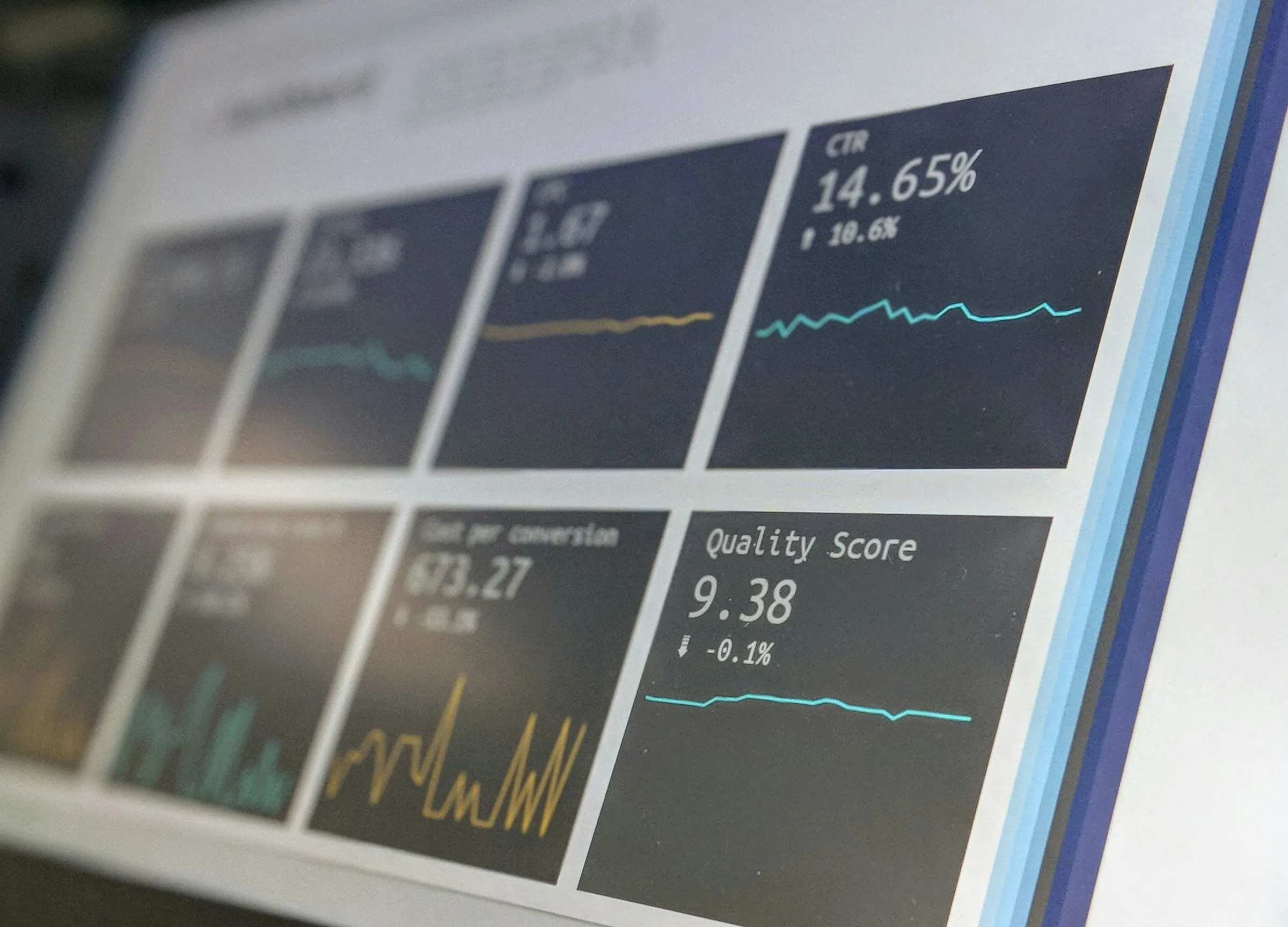
A data platform for analytics, applications and AI
Data models, history and publishing interfaces that connect a data warehouse to analytical queries, applications and predictive models.
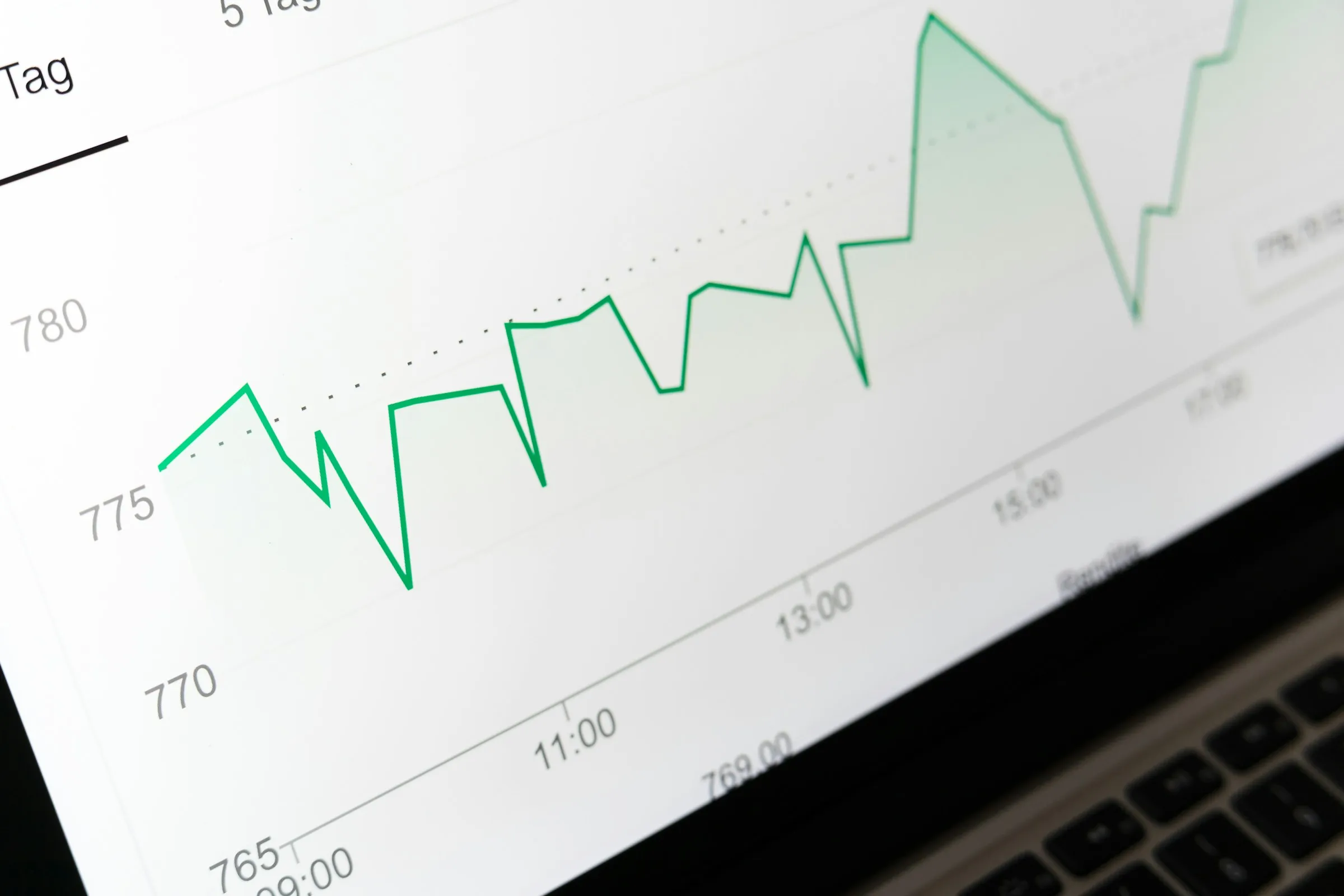
Reliable reporting without replacing every tool
Defined metrics, identifiable sources and a tested first pipeline provide a foundation that teams can explain and extend.
Discuss your project
A discussion of your project’s design, development and production deployment.