Sectors
Scientific research
Scientific software, analysis-pipeline and compute-platform development. Engineering of experimental, bioinformatics or survey data, with databases, applications and AI tools integrated into research methods.
Experimental data, computation and scientific results
A scientific result is connected to its input data, parameters, code and computational environment. Pipelines organise these references alongside outputs and execution logs. Temporary workspaces, retained datasets and publication repositories serve different purposes in this lifecycle.
Examples of data processed in this sector
Acquisition and annotations
Instrument files, sequences, images, surveys and annotations document observations and their collection conditions.
Analysis execution
Code versions, parameters, dependencies, jobs and logs connect each output with its processing history.
Preservation and sharing
Metadata, persistent identifiers, licences and access rules accompany retained or published datasets.
Documented practices and systems in Switzerland
Public sources describing organisational practices and software interfaces. PERINGER project references appear separately below.
Engineering services
Scientific and bioinformatics pipelines
Processing development and orchestration from input files to results. Integration of specialist tools, format validation and preservation of the parameters and logs associated with each execution.
Data platforms and warehouses →Parallel computing and reproducible environments
Application containerisation, dependency preparation and job deployment to selected HPC or cloud resources. Parallel processing and data movement between working storage and retained datasets.
Infrastructure automation →Databases, metadata and data interfaces
Modelling of samples, observations, annotations and results. Catalogues, APIs and collection tools support data retrieval and preserve links to the protocols and references used.
APIs and systems integration →Analysis and visualisation applications
Notebooks, command-line tools and web interfaces for dataset preparation and result examination. Exports and charts preserve the references needed for interpretation.
Custom software and applications →AI and document exploration
Scientific-corpus search, information extraction and integration of analytical models. APIs and agents access authorised tools and datasets, with source references and execution tracking.
Document search and knowledge bases →
Data protection and system security
The data-protection framework depends on the organisation’s status and processing activities. For processing subject to the revised Swiss Federal Act on Data Protection (FADP), security measures and protective defaults are defined from the design stage according to risk.
Institutional status, the data used and funding conditions determine retention and sharing rules. Human research has a specific framework where it falls within scope. A data repository can restrict access to respect individuals’ rights, agreements and licences. Official source
Technical measures to define for the processing involved
- Project-based access, protection of identifying data and export traceability
- Dataset, parameter and environment versions retained with results
- Temporary storage separated from retained data, verified transfers and tested restoration
Technical guidance · FDPIC · NCSC
Legal framework, providers and incidents
Purposes, retention and rights
The design specifies the data collected, its uses, recipients and retention periods. It provides for information to individuals and handling of access or rectification requests. Record-keeping and documentation duties are assessed against the processing involved and applicable exemptions.
Hosting and processors
An organisation remains responsible when it entrusts data to a provider. The assessment covers contracts, subprocessors, processing locations and access from abroad. Hosting outside Switzerland is possible subject to the applicable transfer safeguards.
Risk assessment and incidents
A data protection impact assessment (DPIA) is required when planned processing is likely to pose a high risk to individuals. The controller reports a data security breach to the FDPIC as soon as possible when it is likely to create a high risk to their personality or fundamental rights.
Related projects

Scientific research
Automation and high-performance computing for astronomy
Automate the build and deployment of C# astronomical-analysis applications to a high-performance computing cluster using GitLab, Docker and Kubernetes.
Scientific research
Software engineering for genetics research
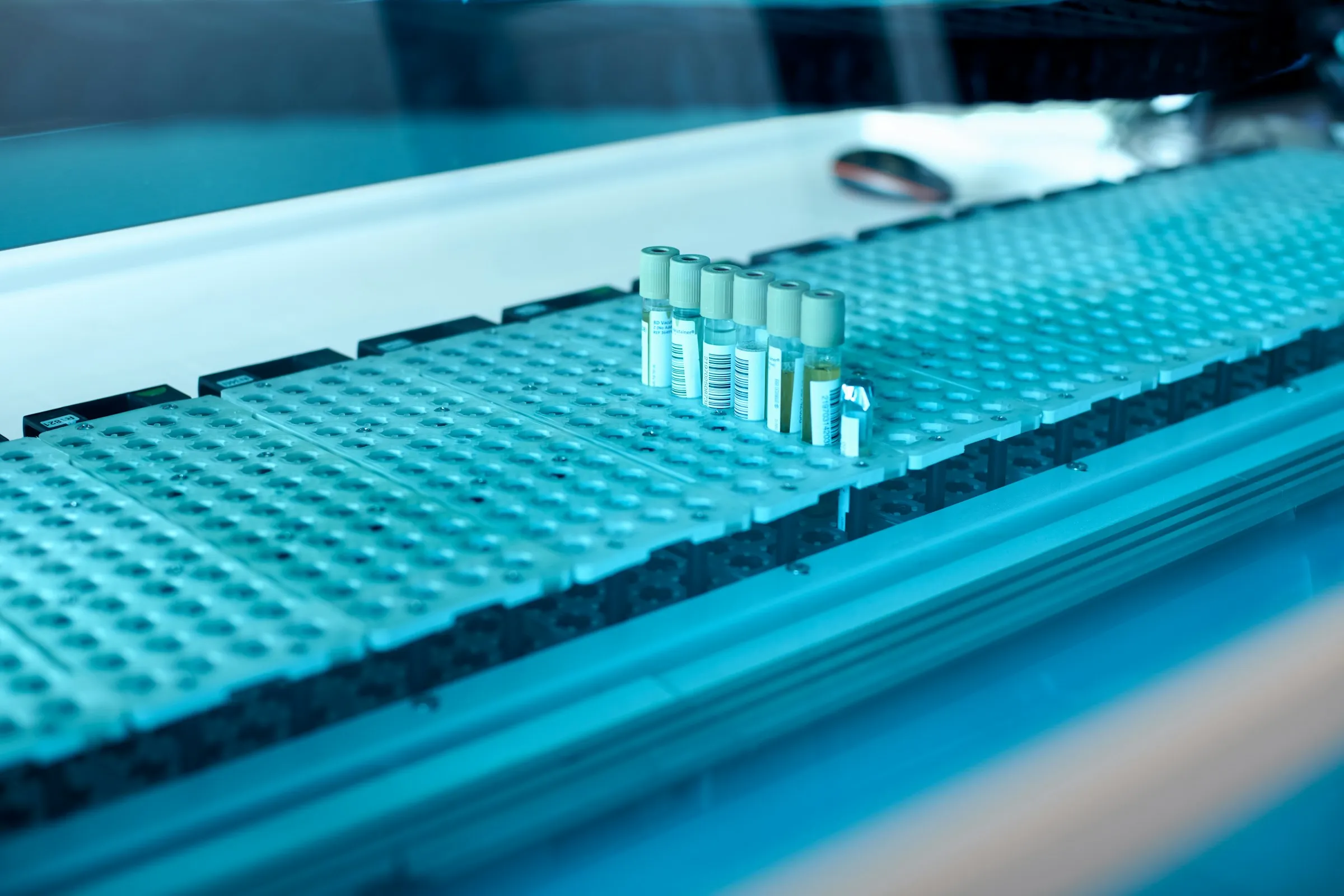
Develop tools to collect, process and analyse sequencing data for genetics research.
Scientific research
From survey data to documented datasets
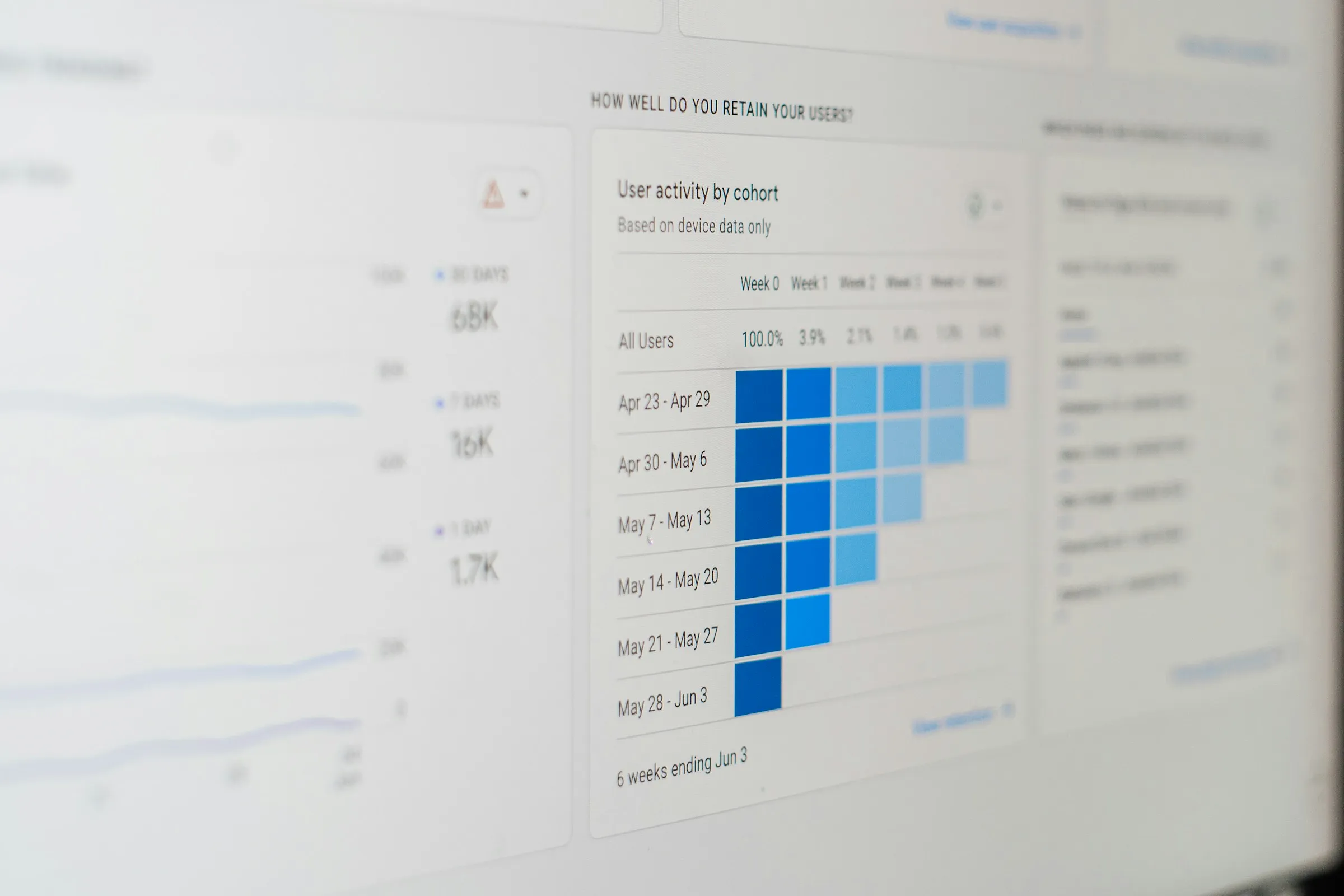
Turn raw survey data into documented datasets with reusable cleaning procedures and variable definitions.
To go deeper
Discuss your project
A discussion of your project’s design, development and production deployment.