Enterprise
Retail and e-commerce
Development of commercial applications, e-commerce platforms and data systems. Integration of catalogues, orders, payments, inventory and delivery services, with web or mobile interfaces and AI features.
Catalogues, orders, payments and inventory
Product data describes what is sold. Orders, payments, shipments and returns each have their own state and references. Integrations preserve the relationships between these objects to support storefronts, customer applications, inventory management and commercial analysis.
Examples of data processed in this sector
Products and catalogues
GTINs, variants, attributes, media, prices and sales units structure the information published to each channel.
Sales and payments
Orders, authorisations, captured payments, invoices and refunds retain distinct identifiers and statuses.
Inventory and fulfilment
Availability, reservations, picking, shipments and returns connect a sale with physical inventory movements.
Documented practices and systems in Switzerland
Public sources describing organisational practices and software interfaces. PERINGER project references appear separately below.
Illustrative data-processing flow
Illustrative online-payment integration. The browser return displays order tracking. The server verifies the transaction with the provider before updating the payment record. Authorised, captured and refunded states remain distinct.
Components and flows
- Notification and transaction-status retrieval through the provider API
- Check status, amount and references
- Update by transaction identifier and reconcile with the order
Engineering services
Catalogues and product data
Import, validation and distribution of product references, variants, attributes and media. Connectors between PIM, ERP and sales channels, with identifier mapping and catalogue-change tracking.
Data platforms and warehouses →Orders, payments and delivery
Integration of payment, order and carrier APIs. Server-notification processing and identifier reconciliation account for captures, refunds, shipments and returns.
APIs and systems integration →Web services and mobile applications
Development of storefronts, customer portals and business tools connected to accounts, products and orders. Search, viewing and tracking interfaces with access permissions and data synchronisation.
Custom software and applications →Sales and inventory analytics
Data warehouses connecting sales, payments, inventory movements and returns. Indicators use consistent references and periods, with data preparation for forecasting and demand analysis.
Predictive analytics and anomaly detection →AI for catalogues and documents
Attribute extraction from supplier documents, catalogue search and assistants connected to authorised information. Generated data is validated before publication in commercial applications.
Intelligent document processing →
Data protection and system security
The data-protection framework depends on the organisation’s status and processing activities. For processing subject to the revised Swiss Federal Act on Data Protection (FADP), security measures and protective defaults are defined from the design stage according to risk.
Customer accounts, addresses and purchase histories fall under data-protection rules when they concern identifiable individuals. Payment interfaces use the selected provider’s mechanisms. The scope of card data and contractual security requirements is assessed before designing its flow or storage. Official source
Technical measures to define for the processing involved
- Server-side payment-status verification and reconciliation of transactions with orders
- Protection of customer and administrator accounts, API keys and payment notifications
- Customer-export controls, application updates and tested restoration of commercial data
Technical guidance · FDPIC · NCSC
Legal framework, providers and incidents
Purposes, retention and rights
The design specifies the data collected, its uses, recipients and retention periods. It provides for information to individuals and handling of access or rectification requests. Record-keeping and documentation duties are assessed against the processing involved and applicable exemptions.
Hosting and processors
An organisation remains responsible when it entrusts data to a provider. The assessment covers contracts, subprocessors, processing locations and access from abroad. Hosting outside Switzerland is possible subject to the applicable transfer safeguards.
Risk assessment and incidents
A data protection impact assessment (DPIA) is required when planned processing is likely to pose a high risk to individuals. The controller reports a data security breach to the FDPIC as soon as possible when it is likely to create a high risk to their personality or fundamental rights.
Related projects

Culture, media and associations
From CRM to analytical data
Connect CRM data with analytical tools and develop dashboards for a media foundation.
Software and IT systems
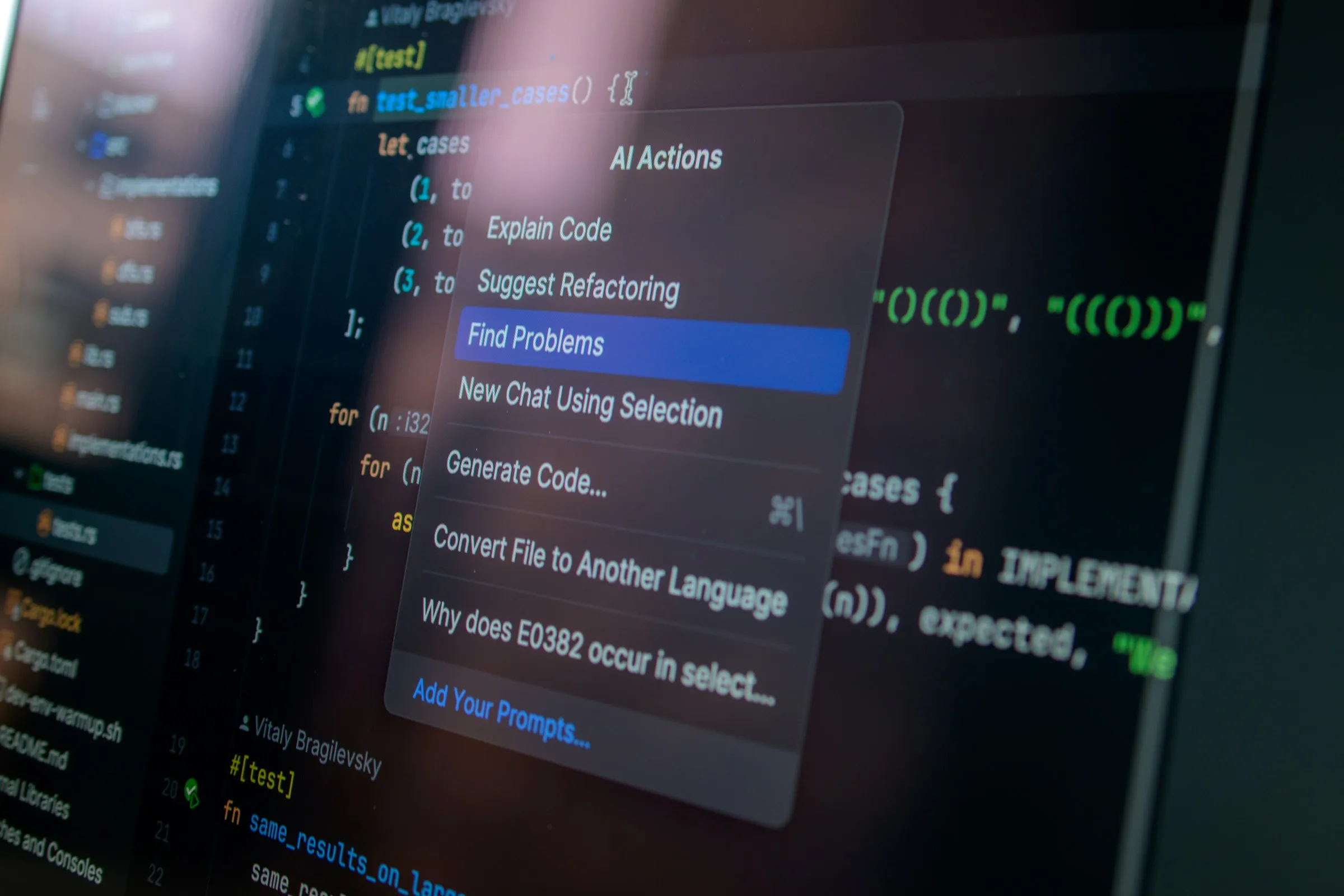
An agent environment for software development
Integrate AI agents into software development with code access, working tools and change verification.
Other sectors
Banking and insurance
Data warehouses, applications and APIs for banking data, financial markets and insurance operations.
Logistics and supply chain
API, application and data-platform development for transport and logistics.
Manufacturing
Data platforms, software and analytical services for manufacturing.
Discuss your project
A discussion of your project’s design, development and production deployment.