Solution
AI assistants and applications
Development of AI assistants and applications with document retrieval, internal-data queries and web or mobile interfaces. Integration of models and APIs with existing software.
Architecture and implementation
Retrieval and context
Document indexing and contextual retrieval linking responses to their sources.
Interfaces and integration
Web and mobile interfaces connected to APIs and databases.
Model execution
Integration of local models or cloud services, call orchestration and performance monitoring.
Design decisions
Development of an assistant around defined sources, permissions and actions. Context selection, passage citation and response evaluation shape service quality alongside model selection.
Illustrative implementation
An assistant can consult versioned documentation and distinguish a sourced answer from a question unsupported by the available documents.
Engineering outputsAssistant, document pipeline, access integration and evaluation corpus
A private platform connects a research agent to a document index and a local Llama model, with retrieval filtered by access permissions. For example, it can support review of a contract file by locating relevant passages in the firm’s documents and reference texts, then preparing an answer with source references.
 Docker
 .NET
.NET Microsoft Entra ID
 Infomaniak
 LangChain
 Linux
Linux Llama (Meta)
 Model Context Protocol
 Microsoft 365
 PostgreSQL
 Python
Components and flows
- Extraction of Microsoft 365 documents and reference collections, followed by text and vector indexing in PostgreSQL
- LangChain agent using a Llama model and read-only MCP search tools, with permission filtering and bounded tool calls
- Available context checked before generation, with references presented in a .NET application
A platform connects mobile data collection and Salesforce CRM to a PostgreSQL warehouse, with Tableau analytics and multilingual document search. One application is a programme operating across several countries, bringing locally collected information together with financial records and related documentation in different languages.
- Docker
- .NET
- Infomaniak
 Kotlin
- LangChain
- Microsoft 365
 n8n
n8n- PostgreSQL
- Python
 Salesforce
 Tableau
Components and flows
- Mobile collection through a .NET API and Salesforce CRM integration with programme data
- Python pipelines feeding a PostgreSQL warehouse, with Tableau analytics and API access
- Multilingual search in Microsoft 365 documents, using LangChain and an Infomaniak model API
Development and integration
- RAG, hybrid search and document sources
- Tool and API integration
- Multilingual processing and structured formats
- AI-application evaluation and deployment
Systems involved
- Document stores and search engines
- Web, mobile and business applications
- Open models and cloud AI services
Service lineArtificial intelligence →
To go deeper

Four questions about the EU AI Act for a Swiss company
The company’s role, its EU connection and the system’s purpose determine the assessment. Those conclusions must lead to design decisions the team can verify.

Evaluating open-weight model quality, availability and operating cost
Public rankings identify candidates. Selection depends on the licence, performance on the task and the resources required to operate the model.
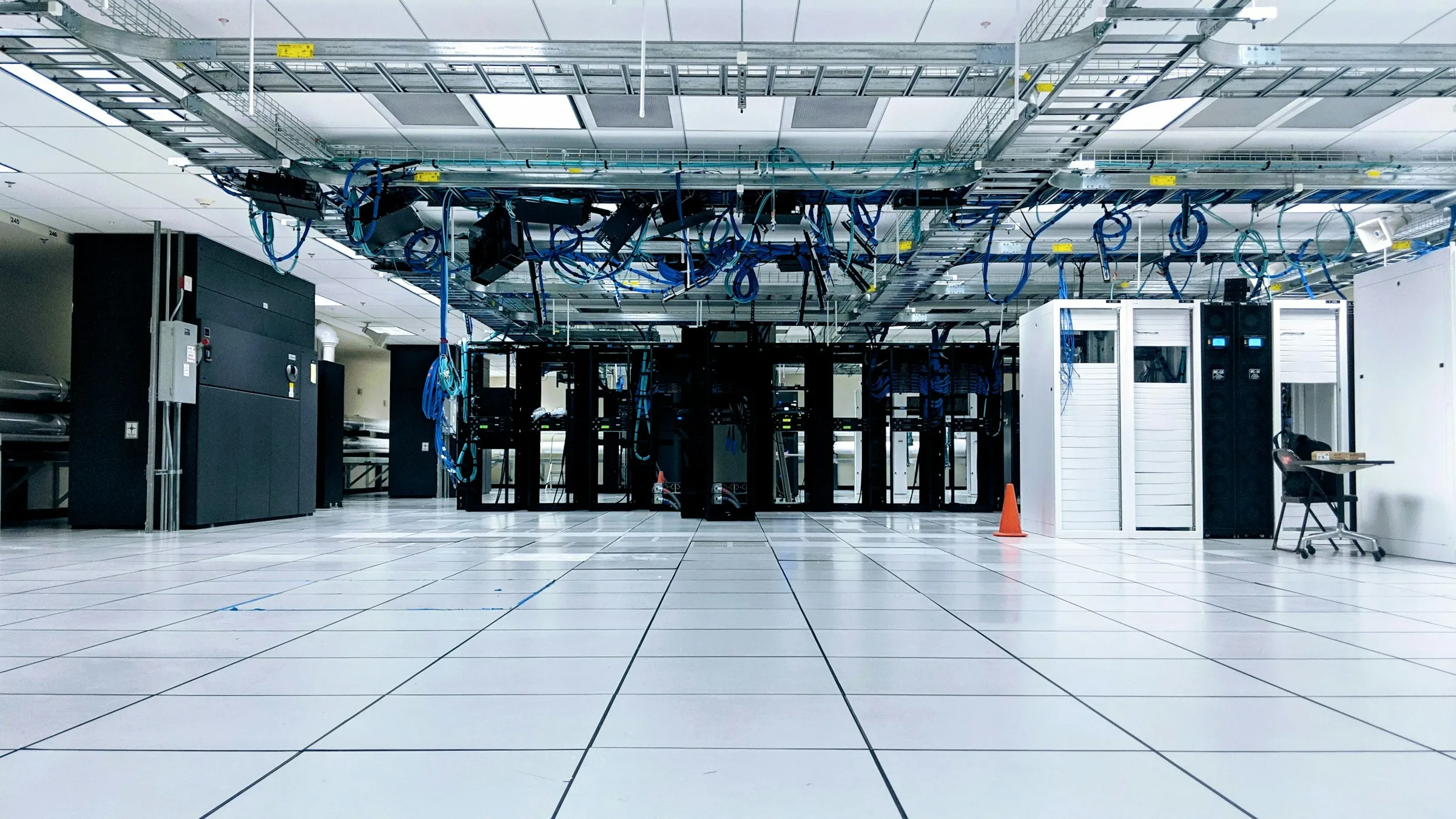
Deploying internal AI with open models and suitable infrastructure
Required quality, data constraints and operating capacity determine the deployment model. The model and its environment need to be evaluated together.
Discuss your project
A discussion of your project’s design, development and production deployment.