Sectors
Small and medium-sized enterprises
Software, digital-product and data-platform design for SMEs. Web and mobile applications, ERP and CRM integration, AI systems and infrastructure connecting customer-facing services, operations and business data.
Commercial, operational and financial data
A quote, an order, an invoice and a payment represent different stages of a commercial relationship. Integrations preserve their references to connect operations with accounting entries. Depending on the business, a data warehouse can combine these flows with costs, inventory or time records to support applications and analysis.
Examples of data processed in this sector
Customers and transactions
Contacts, quotes, orders and contracts connect commercial applications with the products and services sold.
Operations and resources
Projects, time records, purchasing, inventory or production supply the operational data relevant to each business.
Accounting and payments
Invoices, payment references and bank transactions support reconciliation of incoming payments with receivables.
Documented practices and systems in Switzerland
Public sources describing organisational practices and software interfaces. PERINGER project references appear separately below.
Engineering services
Software and digital products
Development of business applications, online services, customer portals and mobile apps. Interface, database and API design to connect the product with customer accounts, catalogues or business operations.
Custom software and applications →Business software integration
Connectors between ERP, CRM, e-commerce, business applications and accounting. Customer and product reference synchronisation, order transfer and payment reconciliation, including QR-bill references and structured bank statements where these flows form part of the project.
APIs and systems integration →Data warehouses and business analytics
Pipelines, relational and dimensional models and analytical layers for commercial, financial and operational data. Change history and transaction-based indicators for analysing sales, costs or service delivery.
Data platforms and warehouses →AI integrated into applications
Document data extraction, search across company resources and prediction APIs. Development of agents connected to business software, with defined operations, permissions and approval steps.
AI agents and software orchestration →Cloud, databases and production deployment
Architecture for application and data hosting environments. Automated deployments, database configuration, monitoring and backup or high-availability strategies matched to the system’s scope.
Infrastructure automation →
Data protection and system security
The data-protection framework depends on the organisation’s status and processing activities. For processing subject to the revised Swiss Federal Act on Data Protection (FADP), security measures and protective defaults are defined from the design stage according to risk.
Data relating to identifiable customers, business contacts, employees and users falls within the FADP. ERP, CRM or AI integration also examines provider processing, technical access and any reuse of the data. Retention rules take account of the purposes and obligations applicable to the records. Official source
Technical measures to define for the processing involved
- Named user accounts, restricted service-account permissions and API-key protection
- Multifactor authentication, application and database updates, isolated backups and tested restoration
- Logging of sensitive operations, access monitoring and an incident-handling procedure
Technical guidance · FDPIC · NCSC
Legal framework, providers and incidents
Purposes, retention and rights
The design specifies the data collected, its uses, recipients and retention periods. It provides for information to individuals and handling of access or rectification requests. Record-keeping and documentation duties are assessed against the processing involved and applicable exemptions.
Hosting and processors
An organisation remains responsible when it entrusts data to a provider. The assessment covers contracts, subprocessors, processing locations and access from abroad. Hosting outside Switzerland is possible subject to the applicable transfer safeguards.
Risk assessment and incidents
A data protection impact assessment (DPIA) is required when planned processing is likely to pose a high risk to individuals. The controller reports a data security breach to the FDPIC as soon as possible when it is likely to create a high risk to their personality or fundamental rights.
Related projects
Software and IT systems
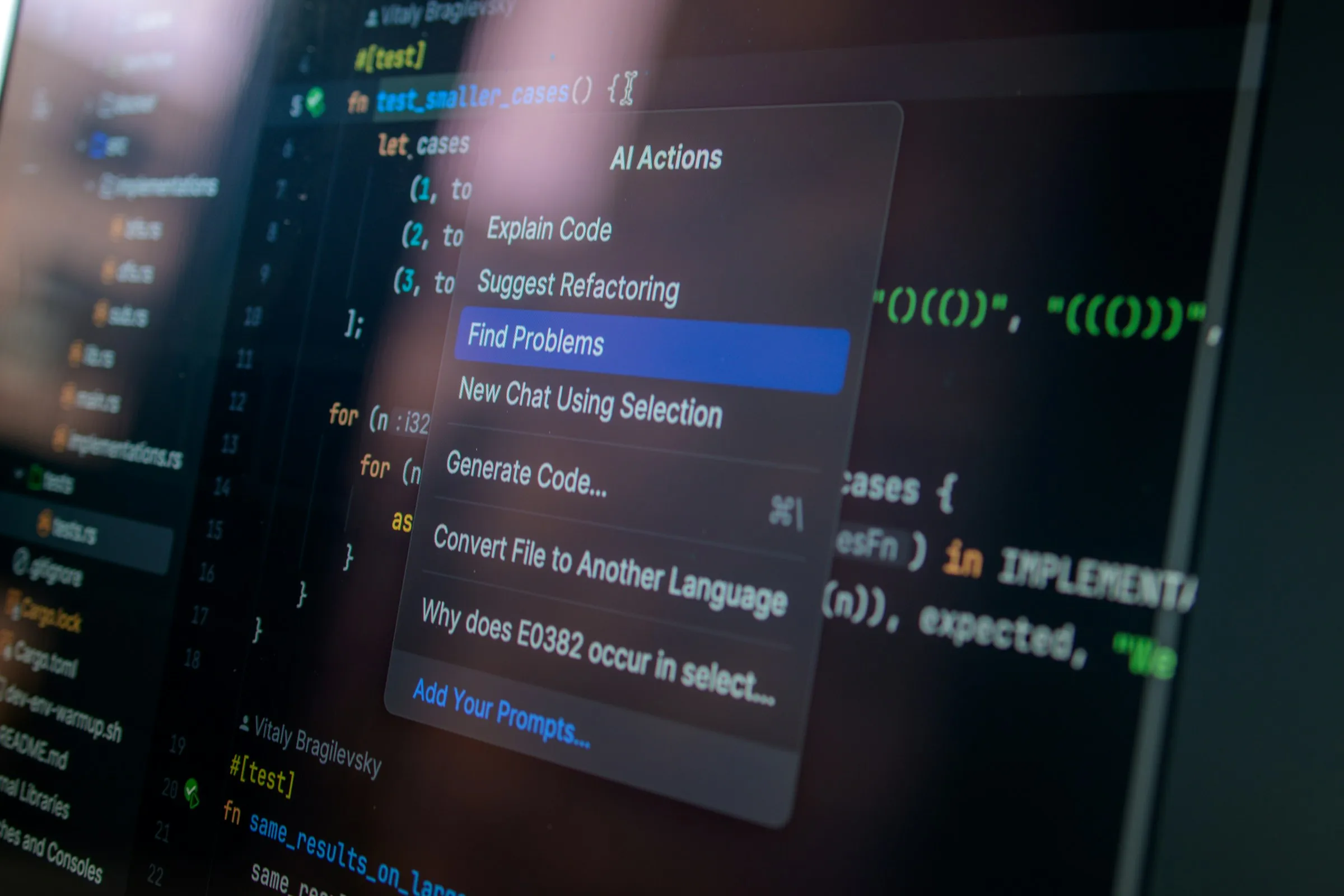
An agent environment for software development
Integrate AI agents into software development with code access, working tools and change verification.
Software and IT systems
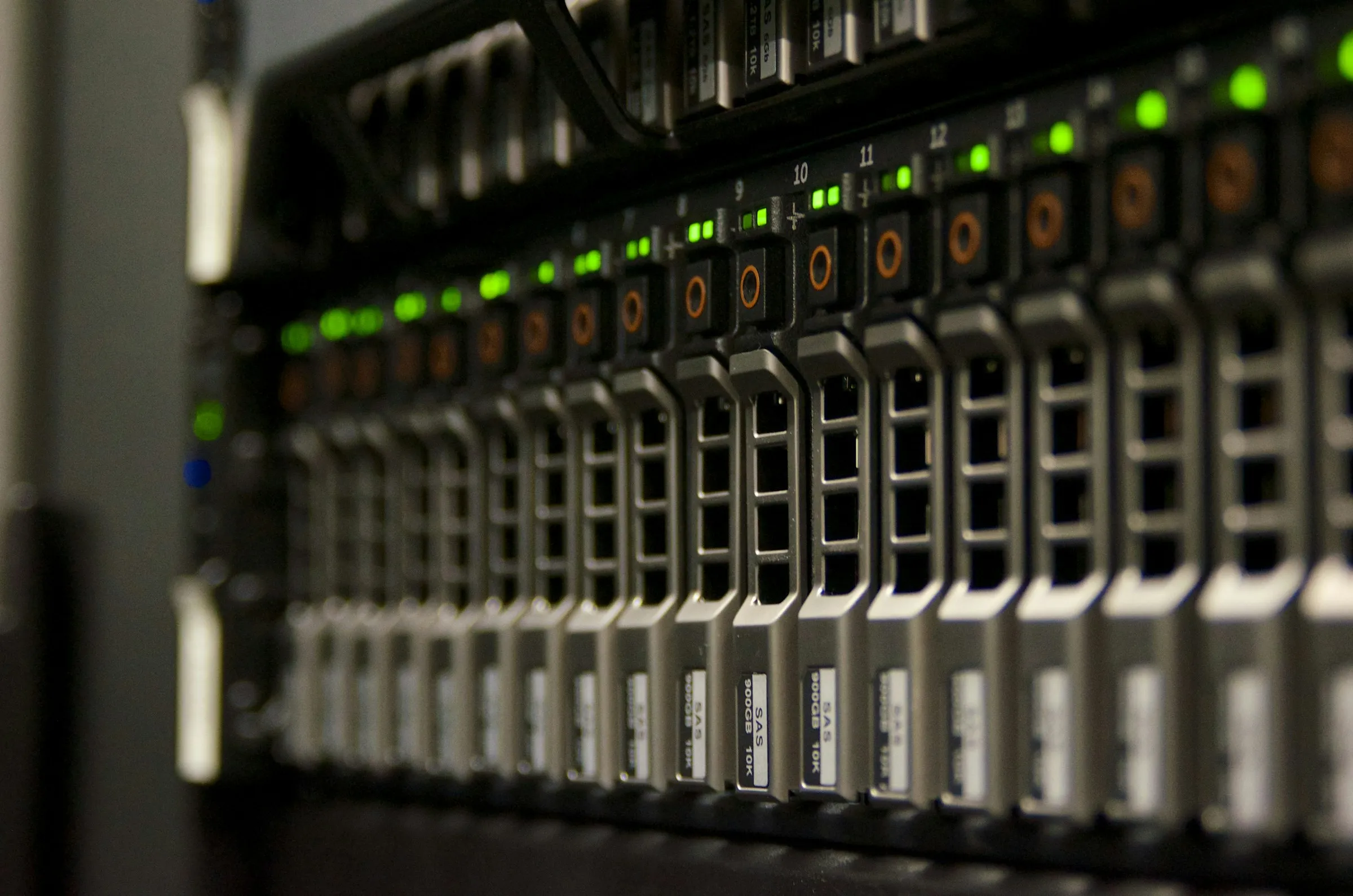
Systems and storage engineering
Work on the technical layers connecting servers and applications to enterprise storage systems.

Software and IT systems
Intune inventory and device-estate reconciliation
Provide a consistent view of devices and configurations by reconciling information from several administration tools.
To go deeper
Discuss your project
A discussion of your project’s design, development and production deployment.